
Understanding the Acoustic Reflex Test: How Your Ears Protect Themselves
When you visit a clinic for a hearing check, you probably expect to listen to faint beeps and press a button. But did you know that your ears have a built-in defense mechanism designed to protect themselves from loud sounds?
To make sure this natural shield is working properly, audiologists use a quick, automatic check called an Acoustic Reflex Test.
Here is a simple look at what this test is, how it works, and why it plays a vital role in checking your hearing health.
What is the Acoustic Reflex?
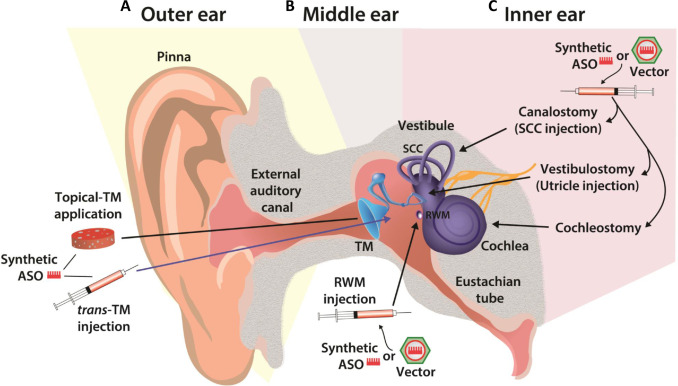
Think of the acoustic reflex as the ear’s natural volume limiter. Deep inside your middle ear sits the tiniest muscle in the human body, called the stapedius muscle.
When you encounter a sudden, loud noise—like a dog barking nearby or a loud horn—this tiny muscle instantly flashes into action. It tightens up, which stiffens your eardrum and the tiny bones behind it. This sudden stiffening acts like a damper, reducing the amount of harsh sound energy that can pass through to your delicate inner ear.
This involuntary reflex happens completely automatically, without you even realizing it.
What Happens During the Test?
The acoustic reflex test is incredibly straightforward, completely painless, and takes only a few moments. The best part? You don’t have to do a thing. You don’t need to listen out for faint sounds or push any buttons. You can just sit back and relax.
Why Do Audiologists Use It?
If the test is just checking a muscle reflex, why do we do it during a routine hearing test?
Because the signal has to travel from your ear, up the hearing nerve to the brain, and back down to the muscle, the acoustic reflex acts like a full electrical circuit check for your auditory system.
Testing this pathway helps clinicians:
-
Double-check your results: Because it is entirely automatic, it provides objective, physical proof of how your ear handles sound. This is incredibly helpful when testing infants, young children, or anyone who might struggle with traditional button-pressing tests.
-
Pinpoint where a problem is: If you do have hearing loss, this test helps determine whether the issue is located in the middle ear (like fluid behind the eardrum) or the inner ear (nerve-based changes).
-
Clear up the full picture: It ensures that the pathway between your ear and your brain is communicating clearly and efficiently.
Part of Complete Hearing Health Check
An acoustic reflex test is rarely done on its own. Instead, it is a quick, valuable piece of the puzzle that we combine with standard listening tests to get a complete, accurate picture of how well you are hearing.
If it’s been a while since your last hearing check, or if you’ve noticed you are asking people to repeat themselves more often, booking a comprehensive assessment is the best way to keep your ears healthy.